
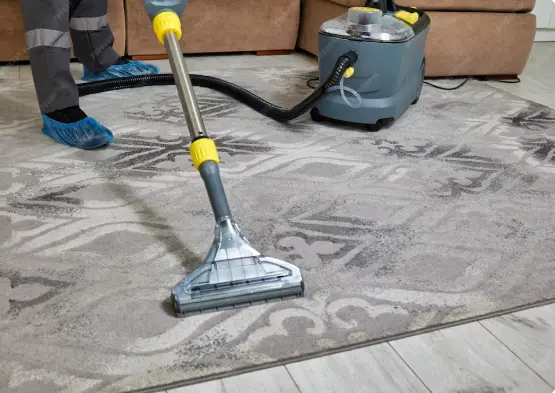
New Orleans humidity affects your carpet by slowing evaporation, increasing the risk of trapped moisture, encouraging musty odors, and creating conditions in which mold and other biological contaminants may grow. Controlling indoor humidity, addressing spills quickly, and using professional carpet-cleaning methods with strong moisture extraction can help protect your carpet.
Carpet adds warmth, comfort, and sound control to a home. However, it can also absorb moisture from spills, damp shoes, indoor air, plumbing leaks, and improper cleaning.
In the New Orleans area, warm conditions, regular rainfall, and periods of high outdoor humidity can make indoor moisture harder to manage. The National Weather Service’s climate records show that the region experiences warm temperatures and substantial precipitation, which can contribute to humid indoor conditions when ventilation and air conditioning are inadequate.
As a result, carpet in Harvey, New Orleans, and surrounding communities may take longer to dry than carpet in a less humid climate. Understanding this relationship can help you prevent odors, stains, premature wear, and moisture-related problems.
How Does Humidity Affect Carpet?
Humidity is the amount of water vapor in the air. When relative humidity is high, the air already contains significant moisture and cannot absorb additional water as efficiently.
Therefore, water in carpet fibers, carpet backing, padding, and the floor underneath may evaporate more slowly.
Carpet may become damp because of:
- Rainwater brought inside on shoes
- Spilled drinks or cleaning water
- Plumbing or roof leaks
- Air-conditioning problems
- Flooding or storm damage
- Moisture rising from concrete floors
- Excessive water used during cleaning
- Poor ventilation
- Inadequate extraction after washing
The Environmental Protection Agency recommends keeping indoor relative humidity below 60%, ideally between 30% and 50%, when possible. It also notes that carpet can absorb moisture and provide a place where biological pollutants may grow.
The Main Ways New Orleans Humidity Can Affect Your Carpet
Humidity does not always create an immediately visible problem. In many homes, moisture remains underneath the surface and gradually affects the carpet’s appearance, smell, and condition.
1. Carpet Takes Longer to Dry
Slow drying is one of the most noticeable effects of high humidity.
After a spill or carpet-cleaning appointment, moisture must evaporate or be removed through extraction and airflow. However, humid air has a reduced ability to receive additional moisture.
Consequently, carpet may remain damp for longer, particularly in rooms with:
- Closed doors and windows
- Limited air circulation
- Weak air conditioning
- Heavy furniture
- Thick carpet padding
- Carpet installed over concrete
- Poorly ventilated corners
A slightly damp surface may not seem serious. Nevertheless, the carpet backing and padding may still contain moisture after the fibers feel dry.
Professional cleaning should therefore focus on effective extraction rather than applying excessive water and waiting for it to disappear.
2. Musty Odors Can Develop
A musty smell is often a warning that moisture is remaining somewhere in the carpet system.
Carpet fibers can hold soil, food particles, pet-related residue, skin cells, and other organic material. When moisture is added, odor-producing microorganisms may become more active.
In addition, high humidity can reactivate old odors. A carpet may smell clean during a dry period but develop an unpleasant scent after several rainy or humid days.
Fragrance sprays may temporarily cover the odor, but they do not correct the source. The carpet, padding, floor, nearby upholstery, or another building material may need to be inspected and dried.
3. Mold Growth Becomes More Likely
Mold needs moisture to grow. Therefore, persistent dampness beneath a carpet creates a concern even when no growth is visible on the surface.
Mold may develop in:
- Carpet padding
- Carpet backing
- Baseboards
- Drywall near the floor
- Wooden subfloors
- Concrete-floor coverings
- Areas affected by leaks or flooding
The CDC advises drying wet materials within 48 hours or removing materials that cannot be dried properly. It also emphasizes that successful remediation requires correcting the source of water rather than covering the affected area.
Mold can appear as discolored spots or produce a musty smell. Some people exposed to mold may experience irritation, coughing, wheezing, congestion, or other symptoms, particularly when they have asthma or mold allergies.
Professional carpet cleaning can remove ordinary soil and many odor sources. However, cleaning alone cannot solve an ongoing roof leak, plumbing problem, flood-damaged padding, or uncontrolled indoor humidity.
4. Damp Carpet Attracts and Holds More Soil
Damp or sticky carpet can become dirty again quickly.
When fibers contain moisture or cleaning residue, soil from shoes, pets, and indoor air may adhere more easily. This can make high-traffic areas appear dark or matted shortly after cleaning.
Rapid resoiling commonly occurs when:
- Too much detergent was used
- Cleaning products were not rinsed properly
- Water was not adequately extracted
- People walked on the carpet before it dried
- Outdoor dirt was tracked onto damp fibers
- Carpet remained humid beneath furniture
Proper rinsing and extraction are therefore essential. A quality cleaning process should leave as little residue and recoverable moisture as possible.
5. Carpet Padding Can Remain Wet
The surface of a carpet tells only part of the story.
Liquid can move through the fibers and backing into the padding. Because padding is thick and receives limited airflow, it may stay wet much longer than the visible carpet.
A homeowner may touch the surface, decide that it feels dry, and continue using the room. Meanwhile, moisture may still be present underneath.
Persistent wetness can contribute to:
- Musty odors
- Carpet discoloration
- Damage to adhesive
- Deterioration of padding
- Mold growth
- Damage to wood flooring
- Moisture problems along baseboards
Water extraction should reach beyond the top of the carpet when a large spill, leak, or flood has occurred. In some cases, the carpet may need to be lifted so the padding and subfloor can be evaluated.
6. Spots and Stains May Return
A spot that disappears during cleaning can sometimes return while the carpet dries.
This process is often called wicking. Moisture moves upward from the lower fibers, backing, or padding and carries dissolved residue toward the surface.
Slow drying gives that movement more time to occur. Therefore, humid conditions may increase the likelihood of a stain reappearing after an incomplete or overly wet cleaning.
Fast drying, controlled product use, thorough extraction, and appropriate stain treatment can reduce this risk.
7. Carpet Can Feel Clammy or Uncomfortable
Carpet in a humid room may feel slightly damp, cool, or sticky even when there has been no obvious spill.
This may happen when indoor humidity remains elevated, air circulation is poor, or moisture is entering through a concrete slab or nearby building material.
The EPA specifically recommends paying attention to carpet installed over concrete because it can absorb moisture and provide conditions for biological contaminants. In some climates, vapor control and appropriate subfloor construction may be necessary.
When a room repeatedly feels clammy, the solution may involve more than cleaning. Indoor humidity, air-conditioning performance, drainage, and moisture entry should also be investigated.
Does Humidity Affect Area Rugs?
Yes. Humidity can affect area rugs as well as wall-to-wall carpet.
Rugs placed on tile, wood, laminate, or concrete can trap moisture between the rug and the floor. Because the underside receives little airflow, dampness may remain unnoticed.
The risk can be higher when a rug is:
- Placed near an entrance
- Exposed to wet shoes
- Located beneath heavy furniture
- Installed over a concrete floor
- Cleaned without adequate drying
- Positioned in a poorly ventilated room
- Made from materials sensitive to moisture
Professional rug cleaning should consider the rug’s construction, fiber type, dyes, backing, contamination level, and drying requirements.
Using the same cleaning process on every rug may cause color movement, shrinkage, texture changes, or prolonged wetness. Therefore, rugs should be inspected before the cleaning method is selected.
How Humidity Affects Upholstered Furniture
Carpet is not the only absorbent material affected by New Orleans humidity.
Sofas, dining chairs, sectionals, mattresses, and other fabric-covered furnishings can also retain moisture and odors. Thick cushions may dry slowly because their interior receives less airflow.
Professional upholstery cleaning should use an appropriate amount of moisture and strong extraction. Delicate fabrics may also require specialized products or low-moisture methods.
After cleaning, fans, air conditioning, and proper ventilation can help upholstery dry more evenly. Sitting on damp furniture should be avoided because pressure can move moisture and soil through the fabric.
Can Steam Carpet Cleaning Be Used in Humid Weather?
Yes, carpet can be professionally cleaned during humid weather when the process includes controlled water application, effective extraction, and a proper drying plan.
The phrase steam carpet cleaning in New Orleans commonly refers to hot-water extraction. During this process, cleaning solution and hot water are applied to the carpet and then recovered with professional extraction equipment.
The effectiveness of the service depends on several factors:
- Condition of the carpet
- Amount of water applied
- Strength of the extraction system
- Cleaning products used
- Number of extraction passes
- Indoor temperature and humidity
- Air movement after cleaning
- Condition of the padding and subfloor
More water does not automatically produce a cleaner carpet. In fact, oversaturation can push contamination deeper and increase drying time.
A professional technician should adjust the process to the carpet, soil level, weather conditions, and indoor environment.
How to Protect Your Carpet From Humidity
A combination of moisture control, preventive maintenance, and timely cleaning offers the best protection.
Control Indoor Humidity
Use air conditioning or a dehumidifier when indoor humidity remains high. A small hygrometer can help you monitor the room rather than relying only on how the air feels.
Aim to keep indoor relative humidity below 60% and preferably within the EPA’s recommended 30% to 50% range when practical.
Respond to Spills Immediately
Blot spills with clean, absorbent towels. Avoid aggressively rubbing the carpet, as this can spread the liquid and damage the fibers.
Large spills may reach the padding and require extraction. The sooner moisture is removed, the easier it is to reduce staining and odor.
Fix Leaks and Water Entry
Carpet cleaning cannot correct an active leak.
Inspect plumbing, windows, roofs, air-conditioning systems, exterior doors, and foundation areas when dampness repeatedly appears. Correct the source before restoring the carpet.
Increase Air Movement
Use ceiling fans, portable air movers, and the air-conditioning system to encourage drying after cleaning.
Keep interior doors open where practical so air can circulate. However, opening exterior windows during very humid weather may introduce additional moisture rather than helping.
Use Entry Mats
Quality mats can capture rainwater, soil, and mud before they reach the carpet.
Clean and dry the mats regularly. A saturated mat can become another source of moisture and odor.
Schedule Professional Cleaning
Routine vacuuming removes loose surface soil, but it cannot remove all embedded residue.
Professional cleaning can address traffic lanes, spills, pet-related contamination, odors, and soil that has settled deeper into the carpet. It can also help prevent abrasive particles from gradually wearing down the fibers.
When Should You Call a Carpet-Cleaning Professional?
Professional assessment may be helpful when:
- The carpet smells musty
- A stain keeps returning
- Carpet remains damp after a spill
- Pet odors become stronger during humid weather
- Traffic areas appear dark or sticky
- Water has reached the padding
- Furniture or rugs dry slowly after cleaning
- A room repeatedly feels clammy
- You are unsure whether a carpet can be restored
Visible mold, extensive flooding, sewage contamination, or major structural water damage may require a qualified remediation or restoration provider in addition to carpet cleaning.
Professional Carpet Cleaning in Harvey and the New Orleans Area
Quality Guaranteed Steam Cleaning LLC provides professional carpet cleaning services in Harvey, Louisiana, and nearby New Orleans-area communities. The company helps homeowners and businesses remove embedded soil, address common carpet odors, improve heavily used areas, and manage cleaning challenges associated with the region’s humid conditions.
Services may include carpet cleaning, rug cleaning, and upholstery cleaning based on the material’s condition and cleaning requirements.
For property owners searching for steam carpet cleaning in New Orleans, choosing a company that understands moisture extraction and drying is especially important. Carpet should be cleaned thoroughly without leaving unnecessary water or sticky detergent behind.
Quality Guaranteed Steam Cleaning LLC focuses on evaluating the surface, selecting a suitable cleaning approach, extracting recoverable moisture, and helping customers understand the drying process.
Homeowners in Harvey and surrounding areas can contact the company to discuss carpet condition, recurring spots, odors, high-traffic areas, rugs, or upholstered furniture.
Final Thoughts
New Orleans humidity can affect your carpet by slowing drying, trapping odors, supporting mold growth, increasing resoiling, and allowing moisture to remain inside the padding.
However, humidity-related damage is not inevitable.
Maintain appropriate indoor humidity, address leaks promptly, remove spills quickly, encourage airflow, and use professional cleaning techniques that prioritize extraction and drying.
When your carpet, rugs, or upholstered furniture need professional attention, Quality Guaranteed Steam Cleaning LLC provides carpet-cleaning services in Harvey, LA, and surrounding New Orleans communities.
Frequently Asked Questions
1. Can high humidity make my carpet smell?
Yes. High humidity can reactivate odor-causing residue and slow drying, producing a musty or stale smell.
2. Can mold grow underneath carpet?
Yes. Mold may grow in damp carpet backing, padding, subfloors, or nearby building materials when moisture remains.
3. How quickly should wet carpet be dried?
Wet carpet and related materials should be dried as quickly as possible. CDC guidance recommends drying wet materials within 48 hours or removing materials that cannot be properly dried.
4. Is steam carpet cleaning suitable for New Orleans homes?
Yes. It can be effective when technicians control water use, extract moisture thoroughly, and support fast drying.
5. How can I make my carpet dry faster after cleaning?
Use air conditioning, ceiling fans, and air movers, keep indoor doors open for circulation, and avoid walking on the carpet until it is dry.
Contact Us for Your Carpet cleaning service in Harvey, LA
Company Name: Quality Guaranteed Steam Cleaning LLC
Address: 3712 Lake Winnipeg Dr, Harvey, LA 70058, United States
Phone: +1 504 406 9962
Website: Click Here
Google Business Profile